A Brief History of Instant Noodles
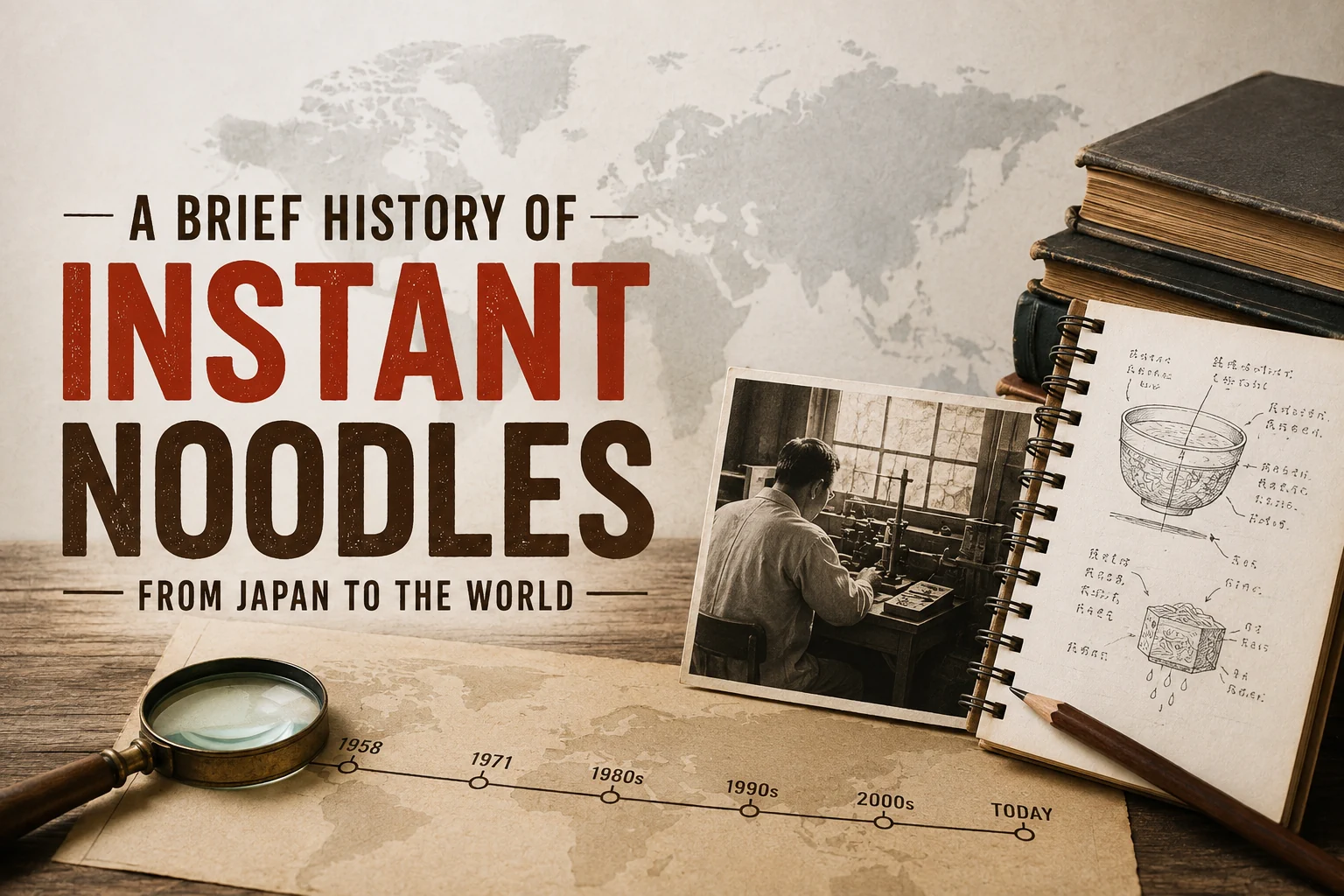
It's hard to imagine a supermarket without instant noodles.
Walk into almost any grocery store and you'll find shelves filled with packets and cups in flavors ranging from chicken and beef to kimchi, curry, seafood, and spicy chili. They're cheap, easy to store, and usually take only a few minutes to prepare.
But instant noodles haven't actually been around for very long.
The first commercially successful instant noodles appeared in Japan in 1958. Since then, they've gone from a new convenience food to something eaten in homes, dorm rooms, offices, restaurants, and convenience stores all over the world.
So how did we get here?
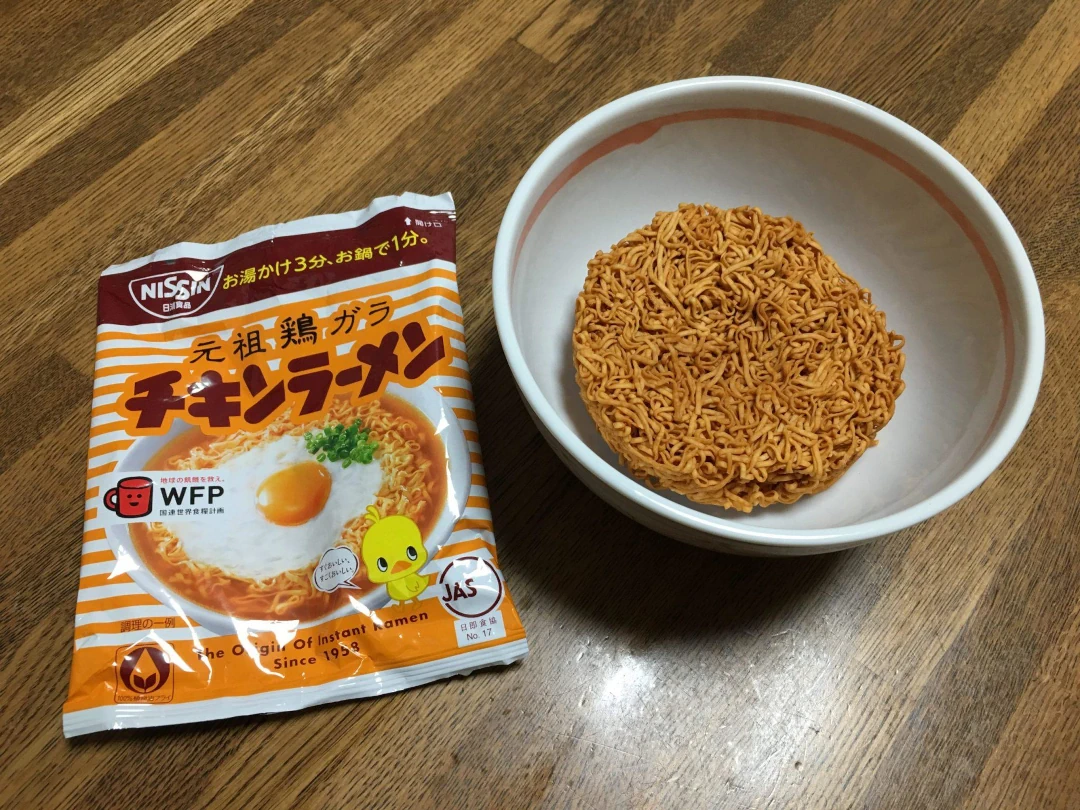
Chicken Ramen was introduced in Japan in 1958 and is widely recognized as the world's first commercially successful instant noodle product.
It Started in Postwar Japan
The story begins with Momofuku Ando, a Japanese businessman who would eventually become known as the inventor of instant noodles.
Japan was dealing with serious food shortages in the years following World War II. Ando saw long lines of people waiting for bowls of noodles and began thinking about whether there was a better way to make noodles available.
His idea wasn't simply to make noodles that cooked faster. He wanted to create something that could be stored easily, prepared quickly, and made at home with very little equipment.
That turned out to be much harder than it sounds.
Ando spent months experimenting with different ways to preserve noodles. Eventually, he discovered that frying cooked noodles in hot oil removed their moisture while leaving behind a structure that could quickly absorb water again.
That discovery became the basis for instant noodles.
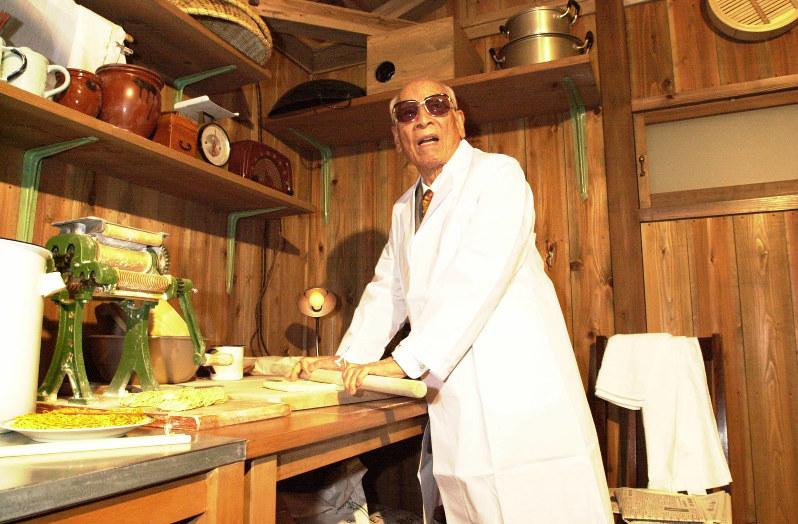
The Momofuku Ando Instant Ramen Museum in Japan includes a recreation of the workshop where Ando developed his instant noodle process.
Chicken Ramen Arrives in 1958
On August 25, 1958, Nissin introduced Chicken Ramen.
It was a very different product from the fresh noodles people were accustomed to eating. The noodles had already been cooked and dehydrated, and the seasoning was included with the product.
All the customer needed to do was add hot water.
The product wasn't particularly cheap when it first appeared. In fact, it cost considerably more than fresh noodles.
But people were willing to pay for the convenience.
And that convenience was the key.
A meal that once required cooking could now be prepared in minutes, without needing a kitchen full of ingredients.
The idea caught on.
Why Frying the Noodles Was So Important
The technology behind instant noodles is actually pretty clever.
After the noodles are made and cooked, they're dehydrated. In the original process developed by Ando, the cooked noodles were placed in hot oil and quickly fried.
This removed most of the moisture.
The resulting dry noodles were much lighter and could be stored for a long time. Once hot water was added, the noodles absorbed the water and returned to a soft, cooked texture.
That's the basic reason a dry block of noodles can become a bowl of food in just a few minutes.
Modern manufacturers don't all use exactly the same process. Some instant noodles are dehydrated using hot air instead of frying, for example.
But the basic goal hasn't changed: remove the water, preserve the noodles, and make them easy to rehydrate.
Instant Noodles Leave Japan
Once instant noodles became established in Japan, it didn't take long for the idea to spread.
And something interesting happened along the way.
Different countries started putting their own spin on instant noodles.
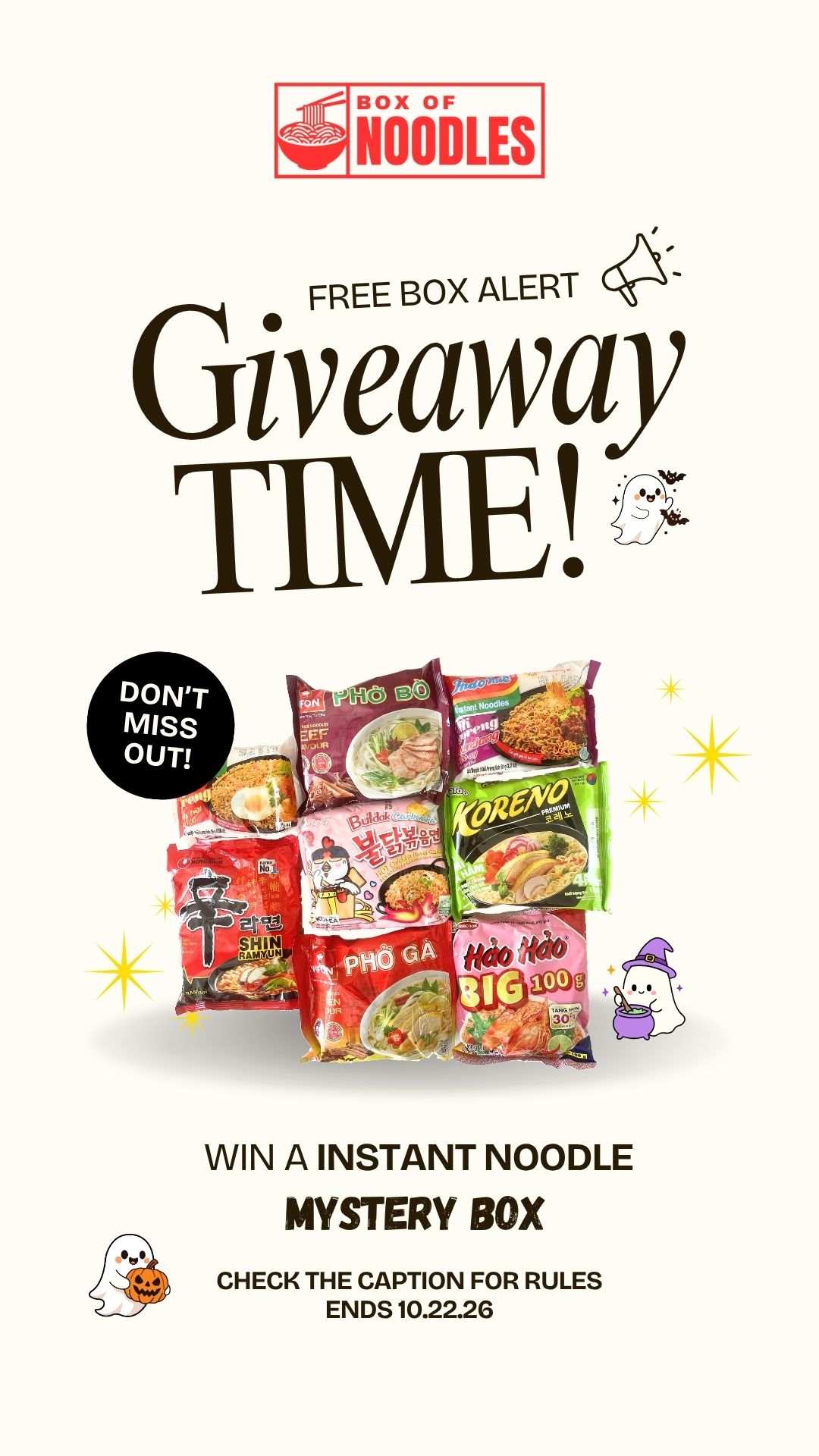
Korean manufacturers developed plenty of spicy varieties. Thai noodles became known for flavors such as tom yum. Vietnamese instant noodles often draw inspiration from flavors such as beef, chicken, seafood, and pho.
The result is a huge variety of instant noodles that can taste completely different from one country to another.
That's one of the things that makes instant noodles interesting. The basic idea is the same, but the flavors don't have to be.
Instant noodles have been adapted to local tastes, resulting in a huge variety of flavors and styles around the world.
Then Came Cup Noodles
In 1971, Nissin introduced another product that would change the instant noodle business: Cup Noodle.
The idea was simple.
Instead of putting the noodles in a package and requiring the customer to find a bowl, the container itself became part of the product.
Add hot water, wait, and eat.
It was especially convenient for people who didn't have access to a kitchen or didn't want to deal with dishes.
Cup noodles eventually became a familiar sight in convenience stores and supermarkets around the world.
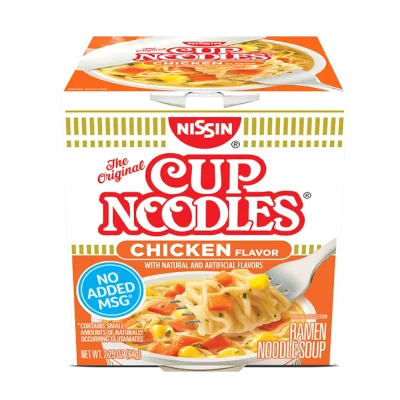
Cup Noodle was introduced in 1971 and allowed consumers to prepare and eat their noodles directly from the container.
From Convenience Food to Everyday Food
Over the years, instant noodles became much more than a quick meal.
People started adding their own ingredients.
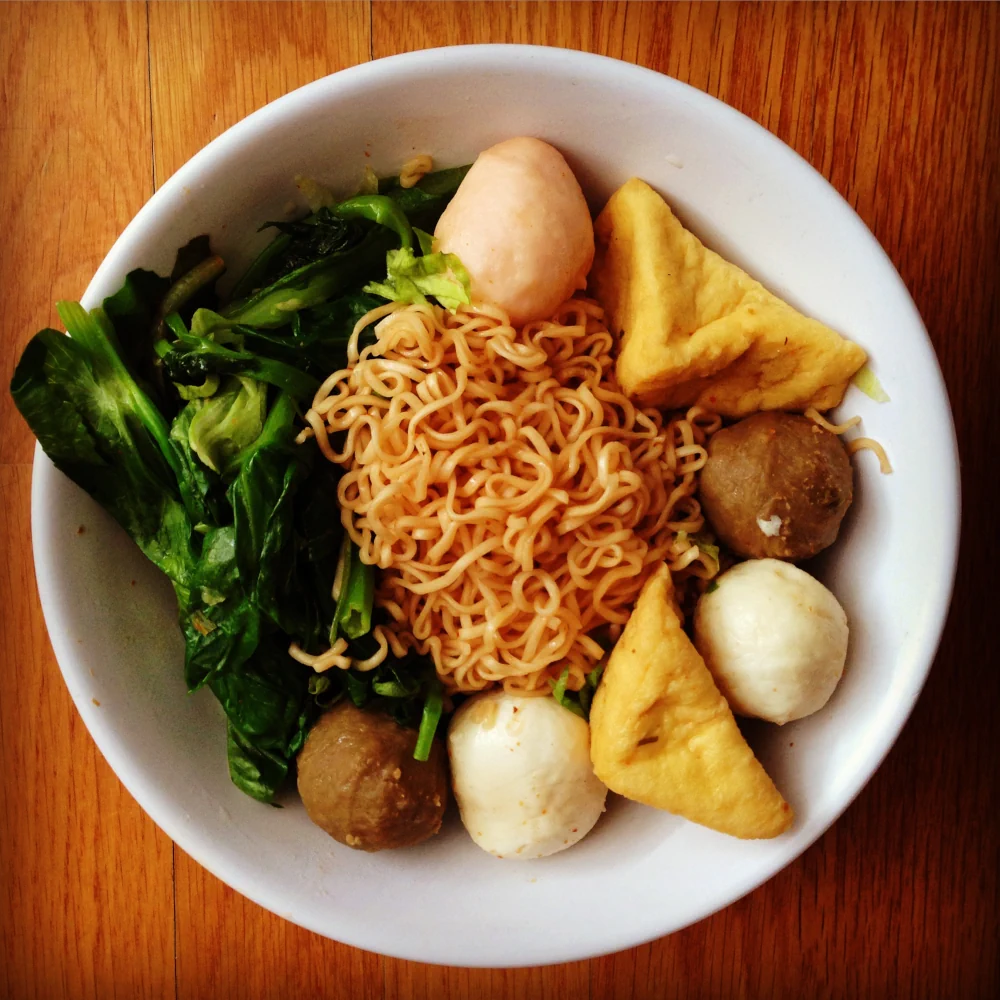
An egg. Some vegetables. Leftover chicken. Green onions. Chili oil. Seafood. Whatever happened to be available in the kitchen.
In some countries, instant noodles became a common late-night snack. For students, they became a cheap and convenient meal. For travelers and workers, they were an easy option when cooking wasn't practical.
And because every country has different tastes, the products changed with them.
Today, you can find instant noodles based on traditional dishes, regional flavors, and combinations that would probably have been difficult to imagine when Chicken Ramen first appeared in 1958.
How Big Is the Instant Noodle World?
The scale of the instant noodle industry is hard to appreciate until you look at how many different products are available.
There are packet noodles, cup noodles, bowl noodles, fried noodles, air-dried noodles, rice-based noodles, wheat noodles, spicy noodles, mild noodles, soup noodles, stir-fry noodles, and countless regional flavors.
Some are designed to be eaten as a quick meal straight from the package. Others are essentially a starting point for a more elaborate dish.
And new products continue to appear.
That's quite a journey for something that started with one man's attempt to figure out how to make noodles more convenient.
A Quick Timeline
1958 — Chicken Ramen
Nissin introduces Chicken Ramen in Japan, marking the beginning of commercially successful instant noodles.
1971 — Cup Noodle
Nissin introduces Cup Noodle, putting the noodles and cooking container together.
1970s onward — International Expansion
Instant noodles spread into markets around the world, with manufacturers adapting flavors to local preferences.
Today
Instant noodles are available in an enormous range of flavors, formats, and styles across the globe.
The Story Isn't Really Over
The basic idea behind instant noodles hasn't changed much in more than six decades.
Make noodles convenient. Make them easy to store. Make them quick to prepare.
What's changed is what people have done with the idea.
Japan created the original instant noodle. Korea put its own spin on spicy noodles. Thailand developed its own flavors. Vietnam developed its own styles. And consumers everywhere have found ways to turn a simple packet of noodles into something more personal.
That's probably the most interesting part of the history.
Instant noodles may have started as a solution to a practical problem, but they've become part of food culture in their own right.
And there are probably plenty more noodle stories still to tell.
Sources
- World Instant Noodles Association — History of Instant Noodles
- Nissin Foods — Company History
- Nissin Foods — History of Chicken Ramen and Cup Noodle